Mel Gibson, the controversial actor and director known for his outspoken views, has once again made headlines, this time for rejecting a $2 million voiceover deal with Sony PlayStation. The deal was reportedly offered to him for a major video game character, but Gibson declined the lucrative offer, citing his strong opposition to the company’s embrace of Pride-related content. In a statement, Gibson criticized what he described as “wokeness” within the entertainment industry, particularly when it comes to promoting social justice causes like LGBTQ+ rights.
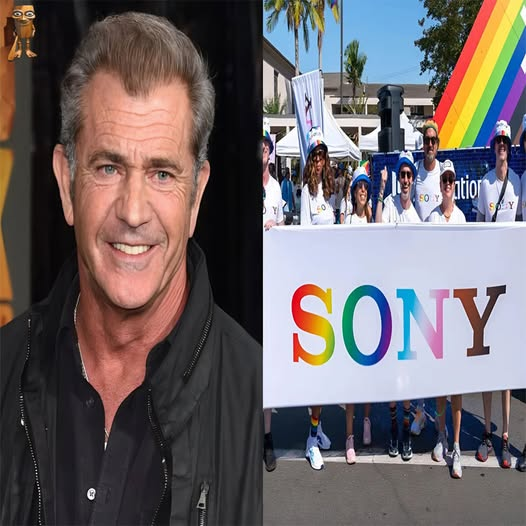
Gibson’s decision has sparked significant debate in both the gaming and entertainment industries, with many questioning the actor’s views on Pride and the role of social movements in modern media. For Gibson, the rejection was rooted in his belief that such content is part of a broader trend of cultural shifts he feels are detrimental to society, particularly to young audiences. In an interview, Gibson shared his belief that Pride and similar movements have become part of a larger “woke” agenda that is forcing a particular set of values on consumers, especially children.
The $2 million offer was an incredible sum, one that many actors would jump at in a heartbeat. However, Gibson’s refusal to accept it signals a deeper issue for him. The actor has long been a critic of what he sees as the overreach of politically correct culture in Hollywood and beyond. Gibson’s career has been marked by controversial statements and actions, some of which have led to public backlash and even professional setbacks. But his rejection of the voiceover deal with PlayStation takes his public stance on these issues to a new level, as it aligns him directly against the rising influence of the “woke” movement in entertainment.
In his rejection of the PlayStation deal, Gibson emphasized his belief that certain cultural trends—like the increasing visibility of Pride celebrations and LGBTQ+ rights within entertainment—are not only misguided but also harmful, particularly to young children. He described the promotion of Pride as an example of what he perceives as “wokeness,” which he believes is distorting the values that have traditionally shaped society. For Gibson, the issue is not simply about supporting LGBTQ+ rights but about the broader cultural shifts that have resulted from these movements, which he argues are pushing an ideological agenda on younger generations.
While his comments have drawn criticism from those who support Pride and LGBTQ+ rights, Gibson’s stance has also garnered support from a segment of the public that feels similarly disillusioned with the increasing politicization of entertainment. Many feel that, in recent years, entertainment companies have shifted their focus from creating universally appealing content to pushing social and political agendas. This growing trend has caused a rift between those who advocate for inclusivity and those who believe that entertainment should remain neutral, or at least not become a platform for political activism.
Sony PlayStation, as one of the largest and most influential players in the gaming industry, has faced its own challenges with balancing social responsibility and its business interests. Over the years, the company has consistently supported Pride and LGBTQ+ inclusion, celebrating Pride Month with special in-game events, limited edition content, and promotions that highlight LGBTQ+ characters and themes. The company has also made strides in supporting diversity within its game development teams and in the content it produces. PlayStation’s commitment to Pride and inclusivity has earned praise from many within the gaming community, who see it as an important step toward creating a more diverse and accepting environment for players.
However, Gibson’s rejection of the deal brings into question whether there is a limit to how far these cultural shifts can go before they start to alienate certain segments of the population. For PlayStation, the decision to continue promoting Pride and diversity in its games could risk alienating potential fans who feel that these efforts are too politicized or forced. On the other hand, companies like PlayStation are likely to stand by their commitment to inclusivity, as they see it as an important part of their brand identity and values.